Ḥanukah, Fanon & the Failure of Individualism
byFrantz Fanon provides us with a broad framework for better understanding the actions and motivations of the Maccabee guerrilla underground.
 Magazine
Frantz Fanon provides us with a broad framework for better understanding the actions and motivations of the Maccabee guerrilla underground.
Israel’s difficult balance between particularism and universalism is often highlighted around Ḥanukah, which celebrates the victory of a radical tribalist minority over the forces of cultural imperialism.
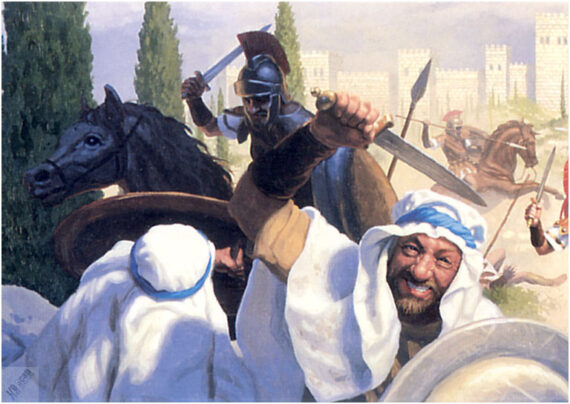
What were the Maccabees actually fighting for and how does it relate to contemporary cultural frictions within Israeli society?
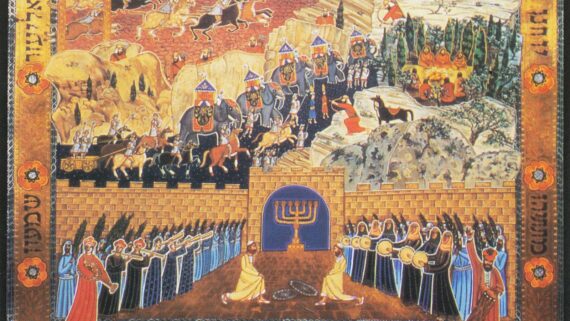
The 18th of Elul was once a Hebrew festival marking the day Shimon HaTarsi achieved full independence for Judea after a brutal guerrilla war spanning nearly three decades.
The revival of our language, ingathering of our exiles, attainment of independence and unification of Jerusalem merely represent stages in a larger ongoing revolution we are meant to participate in.
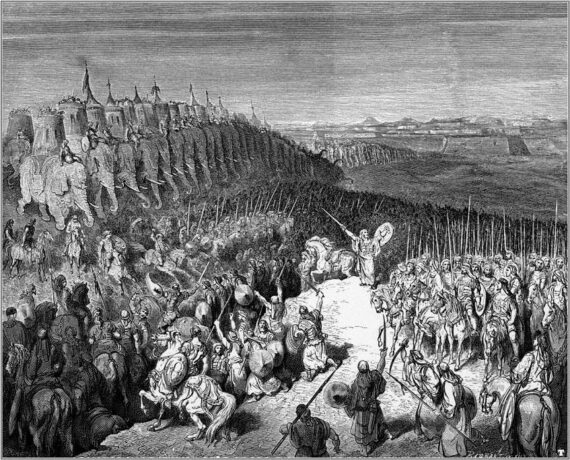
The 13th of Adar was once a Hebrew festival marking the date Yehuda Maccabee defeated the Seleucid-Greek General Nikanor at Adasa.
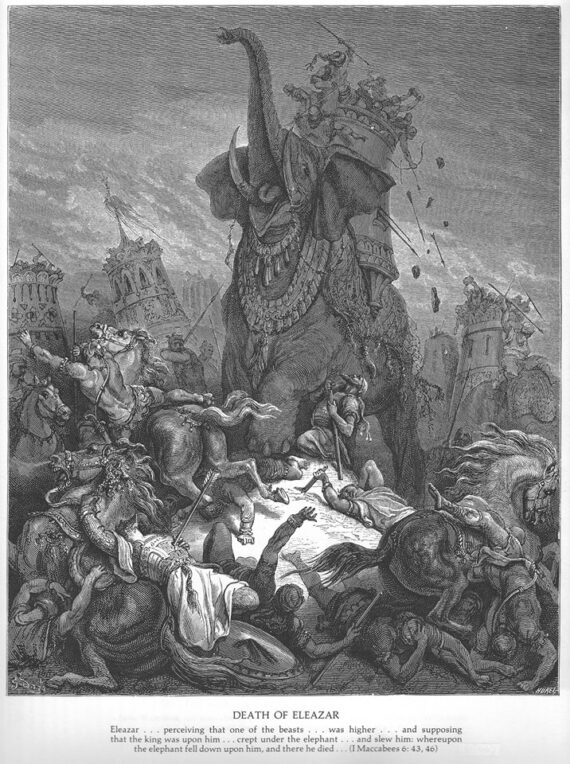
Before Rome destroyed Jerusalem, Israel’s calendar had several festivals commemorating Maccabean victories. The story of our 26 year guerrilla war is actually so much bigger than just Ḥanukah.
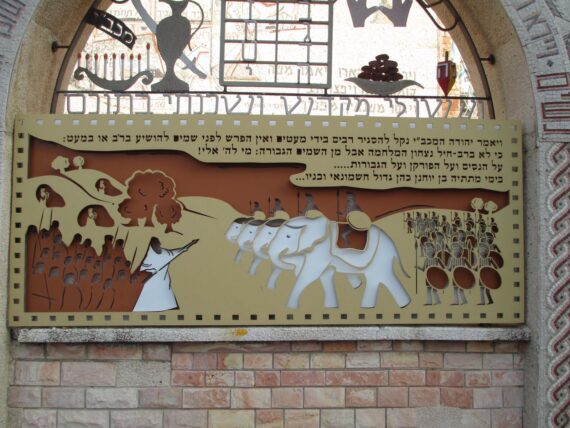
We refer to our enemies in this period as ‘Yevanim’ not for geopolitical reasons, but for the primordial cultural force that they represented and spread via their temporal power.
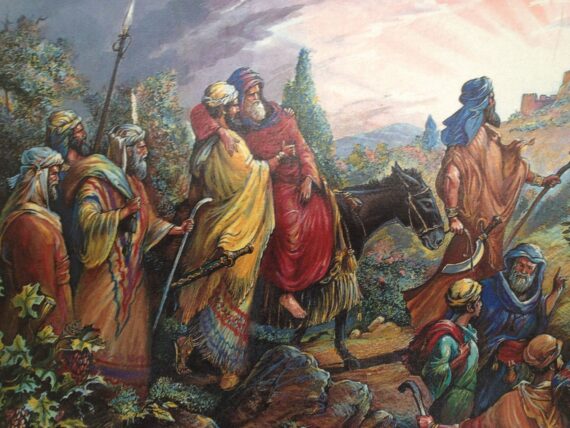
The pure cruse of oil shone brightly, permeated the collective soul of the Hebrew nation and bestowed upon Israel the strength to fight on.
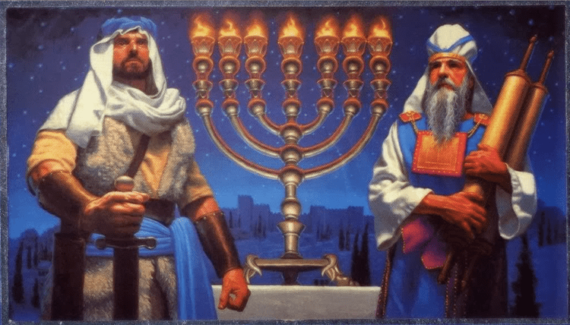
For an entire generation, Matityahu ben Yoḥanan HaKohen and his five courageous sons led the people of Judea in waging a struggle for freedom against the Seleucid Greek Empire.