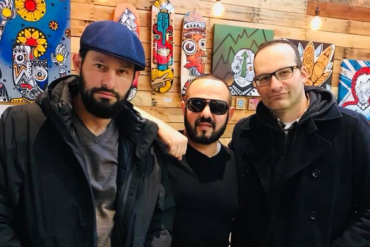
Gratitude Following the WZO Elections
I like to think we ran a campaign that raised the level of conversation and forced people to think about what the next goals of Jewish liberation might be.
 Magazine

I like to think we ran a campaign that raised the level of conversation and forced people to think about what the next goals of Jewish liberation might be.

Unlike most of the festivals on the Hebrew calendar, Sukkot commemorates an event that takes place in the future but has ramifications for the present.
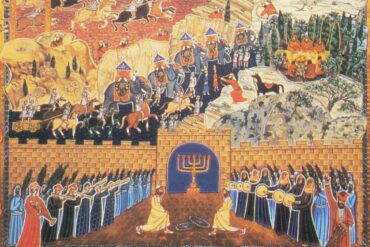
The 18th of Elul was once a Hebrew festival marking the day Shimon HaTarsi achieved full independence for Judea after a brutal guerrilla war spanning nearly three decades.
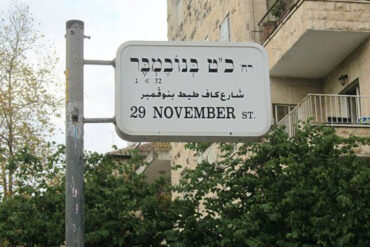
Did the United Nations give the Jewish people a state? Who’s interest does this narrative serve and what impact has it had on Israeli society?
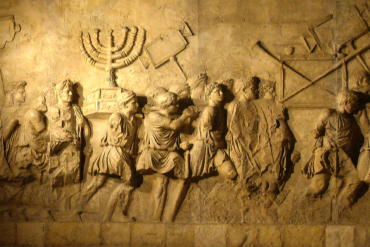
Jewish indigeneity to the Land of Israel can’t just be a pro-Israel talking point. It must be an identity Jews internalize as part of our own decolonization.
Thinking outside-the-box & questioning the assumptions behind most of our political conclusions can prevent Israel’s national-religious camp from losing our way or unwittingly betraying the struggle we’ve committed our lives to.
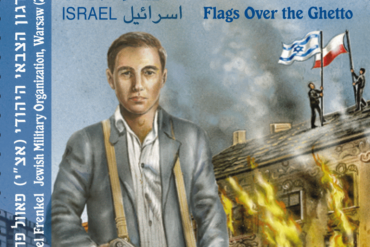
I don’t judge those who didn’t or couldn’t fight. But I think we should acknowledge that within the context of a system that encouraged exclusive focus on personal survival, fighting back was an expression of us reclaiming our humanity.
Israel’s laws and customs possess incredible cosmic significance way beyond the revealed reasons for which they were ostensibly established.
Those interested in solving this conflict must transcend the battle between two competing stories and construct a larger narrative inclusive enough to encompass both ostensibly rival narratives.
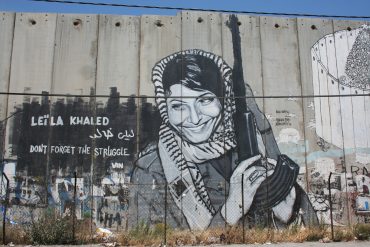
A “narrative” is a version of reality – a story told about a chain of events that organizes facts while being influenced by ideology. The same chain of events can be organized into many narratives, especially if influenced by different ideologies.