
Parshat Pekudei
The mitzvot that dominant nations are most fervently against automatically require extra valor and self-sacrifice to fulfill. Observing these precepts takes on higher meaning as an expression of emuna.
 Magazine

The mitzvot that dominant nations are most fervently against automatically require extra valor and self-sacrifice to fulfill. Observing these precepts takes on higher meaning as an expression of emuna.

The melekh does not actually rule over Israel but rather embodies the mission and aspirations of his nation to the extent that he becomes a microcosm of the entire Jewish people and his personal identity is absorbed into Israel’s collective national identity.

Through a heightened awareness of Israel’s true inner essence, we can see past the sharp ideological divisions and appreciate the intrinsic unity beneath and beyond our surface disputes.
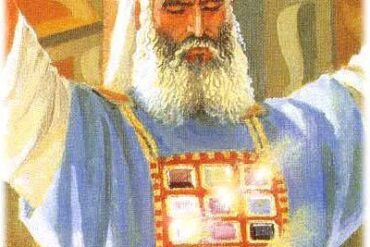
Upon a surface reading of the text, Aharon appears to have lacked the readiness for ultimate sacrifice.

The notion of giving everything to HaShem illustrates the difference between the mentality of redemption and that of the exile.
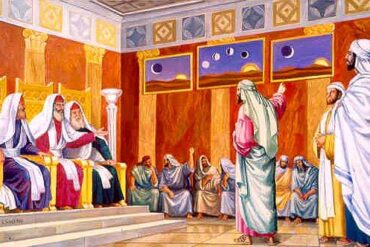
Israel being a “kingdom of priests and a holy nation” necessitates the sanctification of individual, interpersonal and national life so as to give earthly expression to the Torah’s lofty spiritual values.
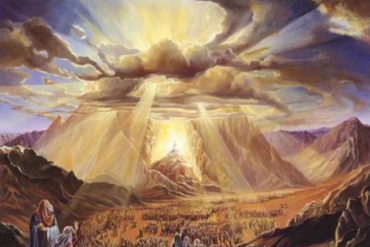
The Torah is not a “religion” relegated to the houses of study or prayer. Nor is it a set of rules meant to coercively modify human behavior.

At various historic points, a “low soul” has prevented the Children of Israel from successfully advancing our national aspirations and collective mission.

The more we define ourselves as the actors rather than as the characters we play, the more our characters can actually succeed at fulfilling their unique roles in the story.
It is through the story of Israel, as it unfolds throughout time, that humanity sees history as possessing Divine meaning and purpose.